
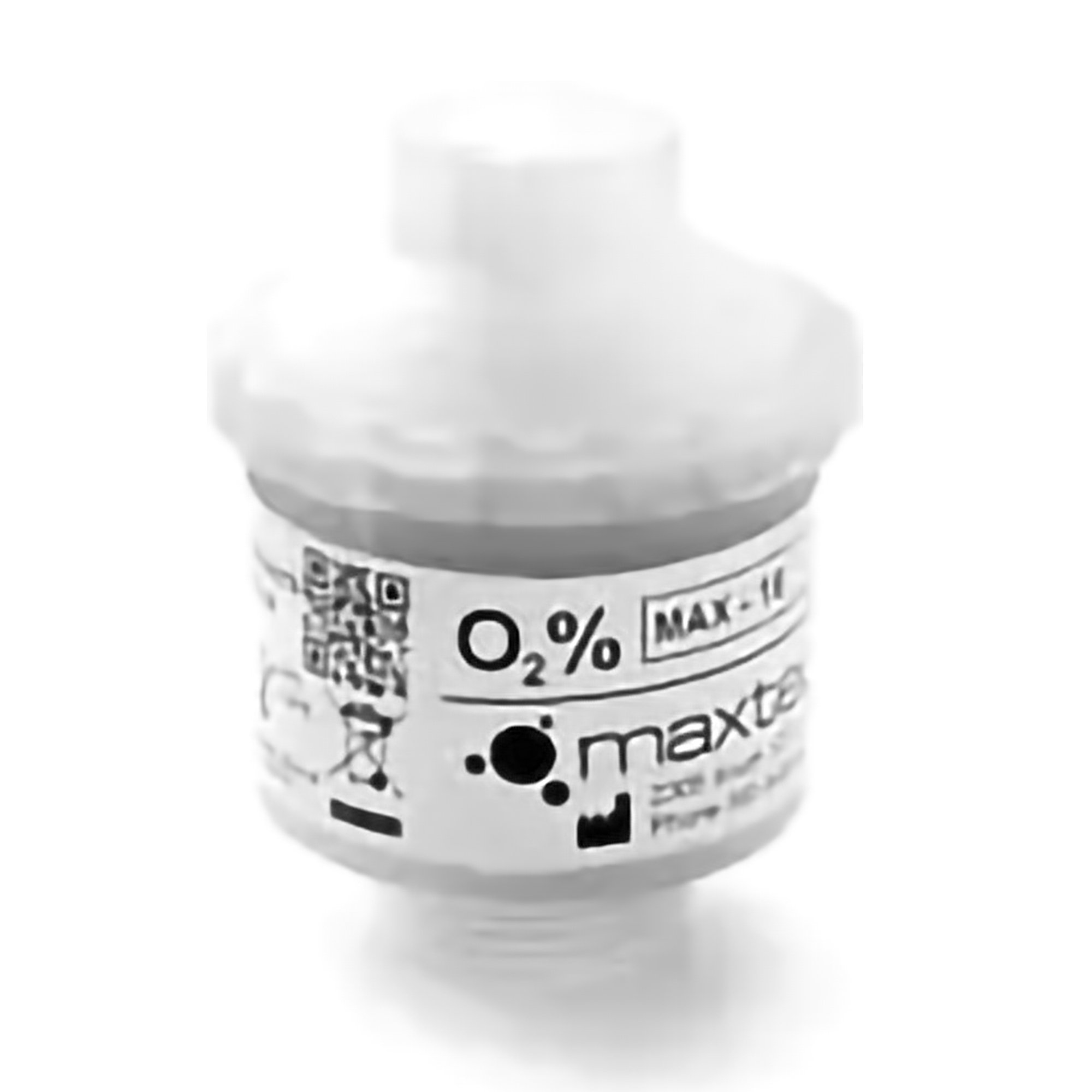
Description
Quick answer: This is the genuine Philips Respironics FiO₂ (oxygen) sensor assembly for the Trilogy EV300 ventilator (SKU 1134668). The FiO₂ sensor measures the fraction of inspired oxygen — the percentage of oxygen in the gas delivered to the patient — so the ventilator can monitor and report oxygen concentration. It’s a consumable component with a limited service life and is replaced periodically or when it can no longer be calibrated. Clinician-directed use.
What’s included
- 1 × FiO₂ sensor assembly (SKU 1134668)
Ventilator, circuit, and other components not included.
About this part
When supplemental oxygen is delivered through a ventilator, the device needs to know how much oxygen the patient is actually receiving. The FiO₂ sensor provides that measurement — it reads the oxygen concentration in the delivered gas so the Trilogy EV300 can monitor it, display it, and alarm if it drifts outside the set range.
FiO₂ sensors are consumables by nature. Most oxygen sensors work by a chemical reaction that gradually depletes with exposure to oxygen over time — so even a perfectly functioning sensor eventually reaches the end of its service life and stops holding calibration. When that happens, the ventilator typically flags a calibration or sensor fault, and the sensor is replaced. Using the genuine Philips assembly ensures correct fit, calibration behaviour, and accuracy.
Key features
- Genuine Philips Respironics FiO₂ sensor (1134668) — for the Trilogy EV300.
- Measures inspired oxygen concentration — supports monitoring and alarms.
- Consumable component — replaced periodically or when it fails calibration.
- Correct fit and calibration behaviour — genuine assembly.
- Clinician-directed replacement — per the device documentation.
Specifications
| Specification | Detail |
|---|---|
| Product type | FiO₂ (oxygen) sensor assembly |
| Compatible ventilator | Philips Respironics Trilogy EV300 |
| Function | Measures fraction of inspired oxygen (FiO₂) |
| Type | Consumable (limited service life) |
| Included | Sensor assembly only |
| SKU | 1134668 |
| Prescription | Clinician-directed |
| Brand | Philips Respironics |
Use & replacement notes
Install and calibrate the sensor exactly as described in the Trilogy EV300 clinical documentation, and only as part of a therapy managed by a clinical team. Replace the FiO₂ sensor when the ventilator indicates a sensor or calibration fault, when it can no longer be calibrated, or per the manufacturer’s recommended service interval — whichever comes first. After installing a new sensor, run the calibration required by the device before returning the patient to monitored therapy. Store spare sensors per the manufacturer’s instructions (sensor life can begin to count down once exposed to air, so check storage guidance).
Frequently asked questions
What does the FiO₂ sensor do?
It measures the percentage of oxygen in the gas delivered to the patient, so the ventilator can monitor and alarm on oxygen concentration.
Which ventilator does it fit?
The Philips Respironics Trilogy EV300.
Why do FiO₂ sensors need replacing?
Most oxygen sensors deplete gradually with oxygen exposure, so they have a limited service life and eventually stop holding calibration — this is normal wear, not a defect.
How do I know it needs replacing?
The ventilator typically flags a sensor or calibration fault, or the sensor can no longer be calibrated.
Do I need to calibrate after fitting it?
Yes — run the calibration required by the Trilogy EV300 before returning to monitored therapy.
Do I need a prescription?
Yes — ventilator components are used under clinical direction. Confirm your setup with your provider.
Can I get it delivered in Brooklyn or shipped nationwide?
Yes — Stark Medical Supplies offers local pickup and delivery in Brooklyn and across NYC, plus USPS shipping throughout the continental U.S.
For use under clinical direction. Follow the Trilogy EV300 clinical documentation for installation, calibration, and replacement. Confirm oxygen monitoring is functioning correctly before returning the patient to monitored therapy.



Reviews
There are no reviews yet.