
Description
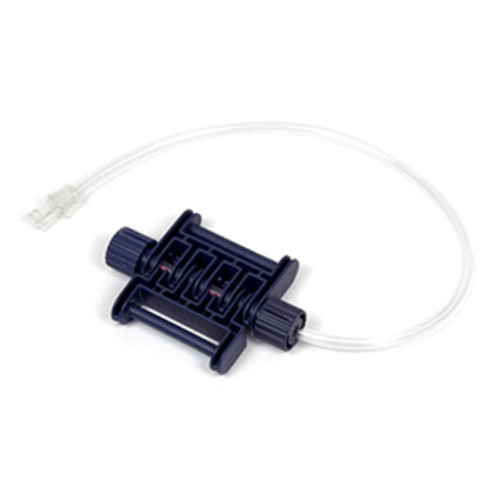
Quick answer: This is the genuine ResMed EasySense respiratory effort sensor (part 22321) — the sensor that measures respiratory effort (chest/abdominal movement) during a home sleep test with the ApneaLink Air (and ApneaLink Plus) recorder. Using respiratory inductive plethysmography (RIP), it detects how hard the body is working to breathe, which lets clinicians distinguish obstructive from central sleep apnea — a key part of an accurate diagnosis. It attaches to the ApneaLink effort belt and connects to the recorder with color-coded, plug-and-play connectors. Reusable/multi-patient. Recorder, belt, and other accessories not included.
What’s included
- 1 × ResMed EasySense respiratory effort sensor (part 22321)
ApneaLink recorder, effort belt (629052), oximeter, cannula, and other accessories not included.
About this part
Home sleep testing records several channels of data overnight, and respiratory effort is one of the most important. The EasySense sensor is the ResMed component that captures it:
- Measures breathing effort — it detects the expansion and contraction of the chest/abdomen using RIP (respiratory inductive plethysmography), capturing fine-grain respiratory signals.
- Distinguishes obstructive vs central apnea — this is its clinical value. In an obstructive event, the body keeps trying to breathe (effort present) against a blocked airway; in a central event, the drive to breathe pauses (effort absent). The effort signal is what lets the software tell them apart — leading to clearer, more accurate reports.
- Works with the effort belt — it mounts on the ApneaLink reusable effort belt (629052) worn around the thorax, comfortable and non-invasive.
- Easy self-setup — color-coded, secure connectors plug into the ApneaLink recorder, designed for error-free patient setup during a self-administered test.
- Reusable and durable — medical-grade, cleanable, built for repeated home-sleep-test cycles (multi-patient use per the user manual).
Compatibility: designed for the ResMed ApneaLink Air home sleep testing recorder, and compatible with the ApneaLink Plus. (Confirm the exact part for your ApneaLink model/generation if unsure — some ApneaLink Plus references use different sensor codes.)
Key features
- Genuine ResMed EasySense respiratory effort sensor (22321) — for ApneaLink Air / Plus.
- Measures respiratory effort via RIP (chest/abdominal movement).
- Distinguishes obstructive from central apnea — key diagnostic value.
- Mounts on the ApneaLink effort belt (629052) — comfortable, non-invasive.
- Color-coded connectors — easy, error-free patient self-setup.
- Reusable/durable — for repeated home-sleep-test cycles.
Specifications
| Specification | Detail |
|---|---|
| Product type | Respiratory effort sensor (diagnostic) |
| Technology | Respiratory inductive plethysmography (RIP) |
| Measures | Respiratory effort (chest/abdominal movement) |
| Compatible devices | ResMed ApneaLink Air (and ApneaLink Plus) |
| Mounts on | ApneaLink effort belt (629052, reusable) |
| Connectors | Color-coded, plug-and-play |
| Use | Reusable / multi-patient (per user manual) |
| Included | Effort sensor only |
| Not included | Recorder, belt, oximeter, cannula |
| Clinical use | Home sleep testing (HST) — clinician-ordered |
| ResMed reference / SKU | 22321 |
| Brand | ResMed |
Frequently asked questions
What does the effort sensor do?
It measures respiratory effort — how the chest and abdomen move as you try to breathe — during a home sleep test, using respiratory inductive plethysmography.
Why does that matter?
Effort is what distinguishes obstructive apnea (effort present, airway blocked) from central apnea (effort absent). That distinction is essential for an accurate diagnosis and the right therapy.
Which devices does it work with?
The ResMed ApneaLink Air, and it’s compatible with the ApneaLink Plus. Confirm the exact part for your ApneaLink generation if unsure.
Does it come with the belt?
No — the effort belt (629052) is separate. The sensor mounts onto the belt, which is worn around the chest.
Is it reusable?
Yes — it’s a reusable, cleanable sensor built for repeated home-sleep-test cycles (multi-patient per the manual). The nasal cannula is the single-use part of the kit.
Do I need a prescription?
Home sleep testing is ordered and interpreted by a clinician. This is a diagnostic accessory, typically bought by providers. Contact us to confirm.
How is it delivered?
We offer local pickup and delivery in Brooklyn and across NYC, plus USPS shipping throughout the continental U.S.
This is an accessory for a diagnostic device. Home sleep testing is ordered and interpreted by a qualified clinician. Use the ApneaLink Air/Plus according to its user guide.

Reviews
There are no reviews yet.