
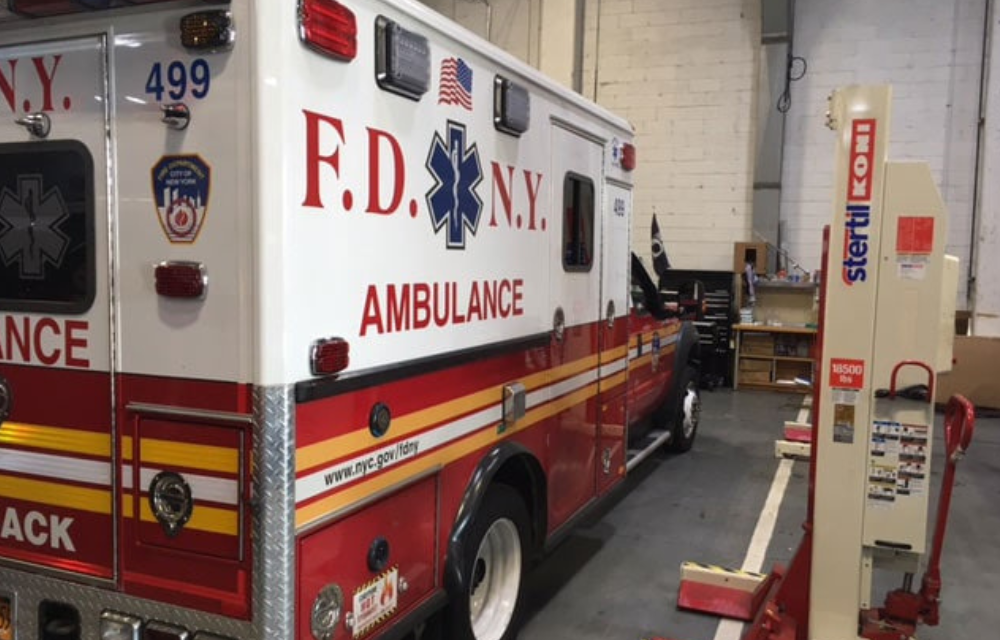
Rural Ambulance Services in New York Face Funding Crisis
Rural ambulance networks across New York are warning that the emergency medical system is approaching a critical breaking point due to insufficient funding and low reimbursement rates.
Funding Shortages Threaten Emergency Services
Operators of rural emergency medical services (EMS) are urging state leaders, including Governor Kathy Hochul, to increase funding in the upcoming state budget. Without immediate action, many providers fear that ambulance services in rural areas may be forced to shut down.
More than two-thirds of counties in New York are considered rural, making this issue a significant concern for public health and safety across the state.
Medicaid Reimbursement Gap
One of the main challenges facing ambulance providers is the gap between actual service costs and reimbursement rates under Medicaid.
According to EMS operators:
The average cost of responding to an ambulance call is approximately $650
Medicaid typically reimburses only around $290 per call
This means providers are losing money on every Medicaid patient they serve, which places a growing financial strain on already limited resources.
Proposed Budget Changes Could Worsen the Situation
A proposed change in the state budget could further deepen the crisis. The plan would eliminate Medicaid crossover payments for patients also covered by Medicare.
Currently, Medicaid helps cover costs not paid by Medicare. Removing this support would leave ambulance providers responsible for additional unpaid expenses, increasing financial pressure on the system.
Lawmakers in the state legislature have expressed concern that this move could significantly reduce already insufficient reimbursement levels.
Tax Cap Limits Local Funding
Another major issue is the 2% property tax cap, which restricts how much local governments can increase taxes to support emergency services.
Although there was bipartisan support for a bill that would exempt EMS costs from this cap, the proposal was vetoed by Governor Hochul due to concerns about increasing the financial burden on homeowners.
As a result, many local governments lack the flexibility to generate additional funding for ambulance services.
Growing Closures and System Instability
The financial challenges are already having real-world consequences. At least 10 EMS facilities closed in New York last year, and more closures are expected if funding issues are not addressed.
Healthcare officials and lawmakers warn that delays in action will only make the problem more expensive and difficult to solve in the future.
What This Means for Patients
If rural ambulance services continue to decline:
Emergency response times may increase
Access to urgent medical care could become limited
Public health and safety risks may rise
Conclusion
Rural EMS providers in New York are facing a serious funding crisis driven by low Medicaid reimbursement rates, restrictive tax policies, and potential budget cuts.
Without additional support from the state, the emergency medical system in rural areas could face significant disruption, affecting thousands of residents who rely on timely ambulance services.