
Sleep Apnea in the U.S.: Why Early Treatment and CPAP Therapy Matter More Than Ever
Sleep apnea is becoming one of the most widespread chronic health conditions in the United States. Millions of adults experience disrupted breathing during sleep, often without realizing it. As awareness grows, healthcare providers and medical equipment suppliers are placing greater emphasis on early diagnosis, effective treatment, and long-term therapy adherence.
The Growing Impact of Sleep Apnea
Obstructive sleep apnea (OSA) is closely linked to modern lifestyle factors such as aging, weight changes, and chronic stress. Left untreated, sleep apnea can contribute to serious health issues, including high blood pressure, heart disease, diabetes, and daytime fatigue that affects work and driving safety.
Because many symptoms occur during sleep, a large number of Americans remain undiagnosed. This has increased the demand for home sleep testing, patient education, and accessible treatment solutions.
CPAP Therapy: The Standard of Care
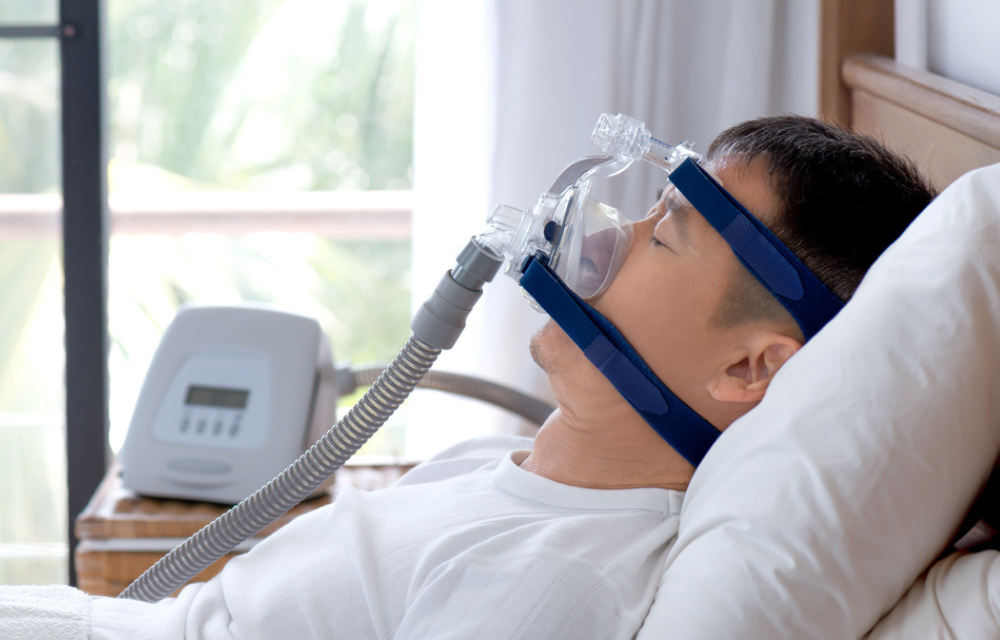
CPAP therapy (Continuous Positive Airway Pressure) remains the most commonly prescribed and clinically proven treatment for obstructive sleep apnea. CPAP devices work by delivering a steady flow of air to keep the airway open throughout the night, helping patients breathe normally during sleep.
For many patients, consistent CPAP use leads to:
Improved sleep quality
Reduced daytime sleepiness
Better cardiovascular health
Enhanced overall quality of life
Modern CPAP machines are quieter, smaller, and more comfortable than earlier generations, making therapy easier to integrate into daily life.
Improving Comfort and Compliance
One of the biggest challenges in sleep apnea treatment is long-term compliance. Today’s CPAP equipment focuses heavily on comfort and personalization, including:
Advanced pressure adjustment technology
Lightweight and ergonomic CPAP masks
Heated humidification to reduce dryness
Data tracking to help providers monitor usage
These improvements help patients adapt to therapy more quickly and stay consistent over time.
Alternatives and Emerging Therapies
While CPAP therapy remains the first-line treatment, some patients may benefit from alternative options depending on their condition and medical evaluation. These may include:
BiPAP or APAP devices
Oral appliances prescribed by specialists
Surgical or stimulation-based therapies for selected cases
The growing range of treatment options allows healthcare providers to tailor therapy to individual patient needs.
Why Access to Quality Medical Equipment Matters
Reliable sleep apnea equipment plays a critical role in treatment success. Working with a trusted medical equipment provider ensures that patients receive:
Proper device setup and education
Mask fitting and replacement supplies
Ongoing support and troubleshooting
Guidance on insurance coverage, including Medicare and Medicaid
Access to the right equipment and support can significantly improve patient outcomes.
The Role of Early Screening and Education
As sleep apnea becomes more widely recognized, early screening and patient education are essential. Identifying symptoms early and starting treatment promptly can help prevent long-term health complications and reduce healthcare costs over time.
Medical equipment providers are increasingly becoming partners in patient care by supporting education, adherence, and long-term therapy success.
Final Thoughts
Sleep apnea is a serious but highly treatable condition. With advances in CPAP technology, increased awareness, and improved access to medical equipment, more Americans are able to manage their sleep apnea effectively and improve their overall health.
For patients, caregivers, and healthcare providers alike, investing in proper diagnosis and high-quality sleep apnea equipment is a key step toward better sleep and better health.